
The leadership team carries the highest stakes in any organisation. Whatever works - or doesn't - there, scales throughout the organisation.
It shows up in the room as tension, discomfort, impatience, frustration. In hushed conversations on the side. In what isn't said aloud. Something is off. You might not be able to name it, but you feel it whenever you're together. The lack of trust. The misalignment. Sometimes downright contempt.
One person at a company I was a leader at named this precisely. "You're like mom and dad," he said. "You get what you want if you go to the right one."
The image stayed with me because it names the triangulation so simply and so accurately. It points to what a fractured leadership team costs - not just in the team, but throughout the whole organisation.


You are brilliant individuals - highly competent and capable. It's what got you here. But you are still loyal to your respective functions, not to each other. And the gap is felt across your organisation.
You make decisions in the room but don't truly commit. The alignment lasts only as long as your meeting. The real conversation happens in the corners.
You don't challenge each other openly. So the real challenges never get aired. You don't say the thing because you're not sure what it will cost you in this room. So it gets said somewhere else.
Someone new joins and the trust foundation resets. Again.
You are caught in managing operations instead of setting direction and building culture. Your calendars are a nightmare.
You know you need to change. You're just waiting for someone else to say it first.
You've met the edge of what your current culture can hold, and you know it. This is not only a structural shift - it's a shift in relationship, meaning, and identity.
I work with leadership teams in these moments of change - listening to where the energy is pointing and building momentum from that.
You are at the threshold of something new. Walking across it will determine the kind of team you become. I meet you here.
Where you may find yourselves
Somewhere between
not anymore
and
not yet.
I grew up in the forest. I loved climbing trees - and mountains. I still do. It's where I feel most at peace.
I am Slovenian and carry our folklore and Slavic myths with me. I have moved countries three times, become a mother twice, and crossed more thresholds than I can count - personal, professional, ancestral.
Twenty years in design and innovation - as a doer, leader and design educator - across industries, companies and cultures - I’ve worked on hundreds of projects, large and small. I’ve been pathfinding through technological and relational shifts - the kinds that challenge what you think you know. This is the experience I bring into the work: bridging the abstraction of a vision and specific details down to a pixel - and everything in between. I know what work looks like at different heights.
I feel most alive in some of the most intense moments of the process. Moments where the collective field needs the most holding to stay with the trouble - just before turning it into something wildly creative and unconventional.
I hold the fire steady as we venture into the unknown. Together we shape the space between not anymore and not yet into now.
I’m Martina

What happens in this space
We look deeper. We surface what is hidden, name the unnamed, shift what is stuck.
We move beyond strategies, frameworks and tools. They matter - but can't replace the relational work underneath.
We bring honesty, presence, curiosity, and creativity into the room. We uncover the stories running underneath. We build empathy and understanding across difference.
We take responsibility - each of us - for our share. For the impact we have and the outcomes we create together.
Values become relational agreements and everyday behaviours. Clear yeses and nos. Less posters on the wall, more living practice.
We stay with discomfort longer. We get present in uncertainty. We meet in friction and catalyse it into something new, something stronger.
We commit to the work that needs to be done.
The texture is different, but the pattern is similar.
Brilliant people pulling in different directions. Different worldviews, languages, and ways of working come together but fail to find common ground. Decisions get made - and then quietly reopened, because not everyone was truly behind them. Feedback doesn't get given because it might disturb the peace. Slowly eroding your creative confidence. There is a sense that the work could be so much better - if only the culture could hold it.
These can look like performance issues, but they rarely are. They go much deeper - to the level of values, beliefs and hidden power - who holds it, who gets to decide, who gets heard, who is overlooked and who sets the norm. Working at this deeper layer is where things actually shift. And from there, we can build systems, structures and processes to support you going forward.
Leading a cross-cultural, cross-functional, innovation or design team?
How I work with you
I work with what is happening in the room - not just what is being said, but what is in the space between - the relationships, the dynamics, the voices that aren't yet speaking.
I honour every voice of the system. I listen for what is said and what is not. I help you surface what is hidden and needs to be looked at.
I speak from fierce love that doesn't coddle to keep you comfortable. I build the conditions for truth-telling - not as confrontation, but as the most direct path to trust.
I help you see what's possible and invite you into it. Not as a distant vision, but as something you can already begin to practice together.
We weave different worldviews into new common ground. We shift the story of who you are as a team - and build something that is greater than the sum of its parts. The relationship itself becomes the foundation.
Your cohesion comes when you stop performing it and start building it. When you do the uncomfortable thing you've all been avoiding.

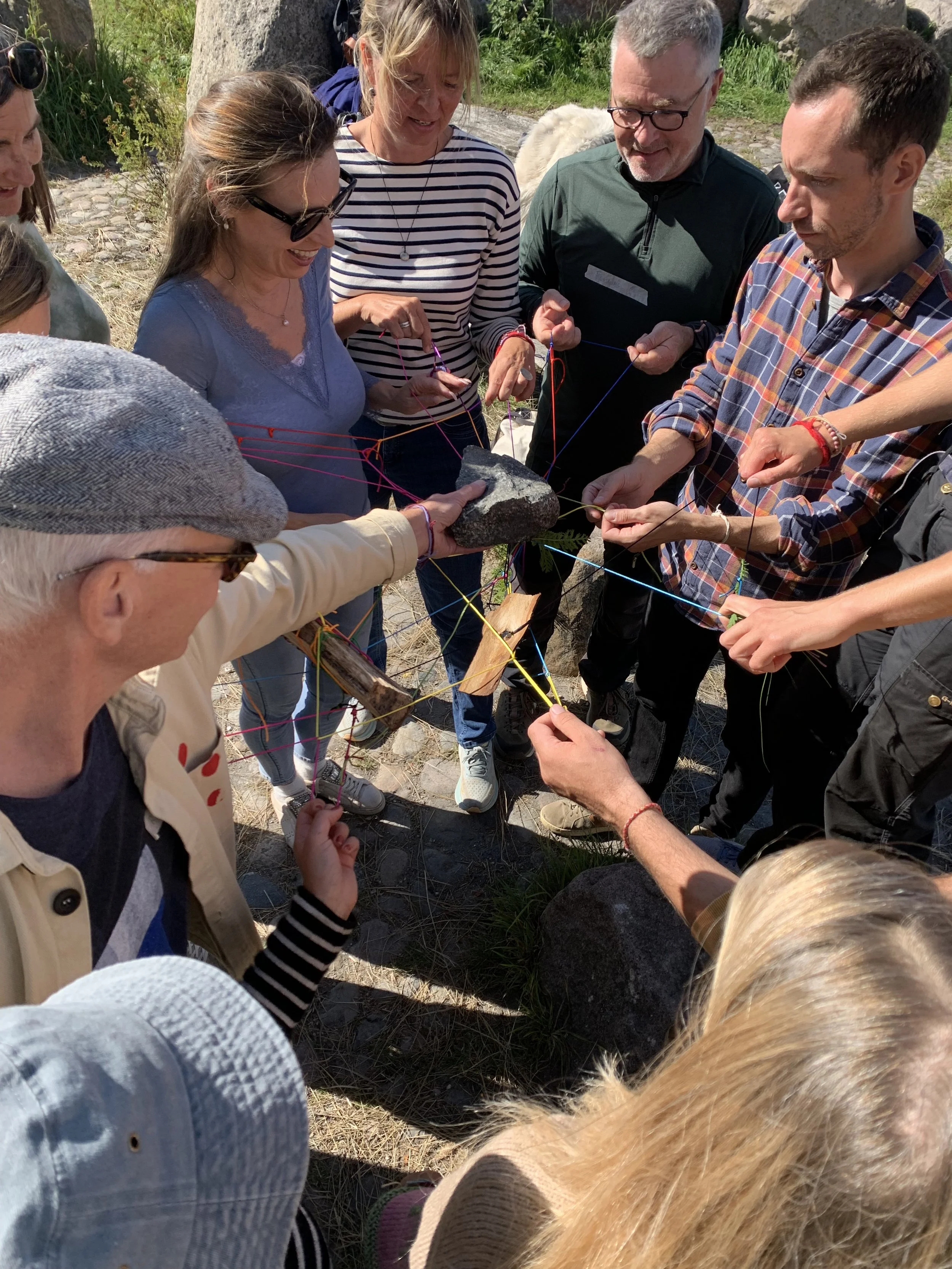
A new possible
Teams I work with stop performing cohesion and start building it.
The decisions made in the room hold outside it. The conversations that used to happen on the side start happening in the open. New people join, and the culture absorbs them, rather than fracturing around them.
You stop fearing feedback and start seeing it as the direct path to trust and to doing better work together.
The work that actually matters - direction, culture, vision - gets space again, instead of being crowded out by operational noise.
And the teams you serve feel it - you've become the change you speak of.
Who this is for
This is for leadership teams who know the problem isn't strategy. Who have tried the roadmaps, the frameworks and the consultants. Who are ready to look at what's actually happening between them.
This is not for teams sent here because someone ticked a box. This work requires the whole team to choose this work.
If you're ready - you're welcome here.

Your cohesion comes when you stop performing it and start building it. When you do the uncomfortable thing you've all been avoiding. When you become who you say you are.
What People Are Saying
“I've had the pleasure of working closely with Martina over the past six months, and she has been an absolute asset to our team. During her time with us, she consistently demonstrated the ability to take us in the right direction, offering thoughtful insights on how we progress with a level of care that's second to none.
Any organisation would be lucky to work with Martina. She brings a high level of energy, professional integrity, and technical skill to every task. I highly recommend her to any creative team looking for a leading professional to help overcome the critical barriers holding you back.
— Stephen Ardern, Managing Director at Continuous
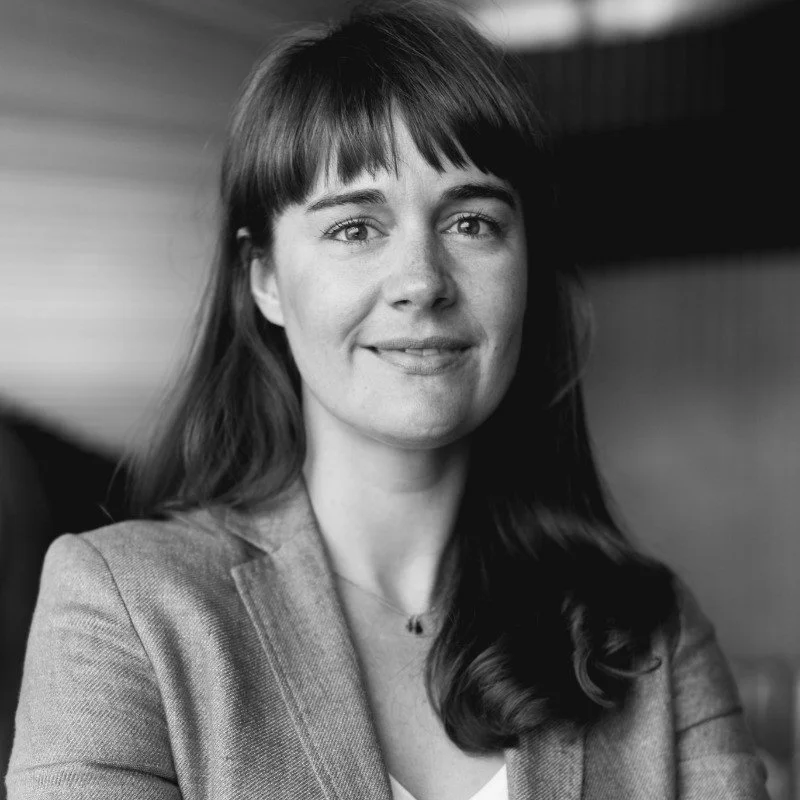
“Martina led a 1 day workshop for my EMEA leadership team, which came together in person after a long time of working virtually. Martina has been great and helped us to create our vision, design our team alliance and align on our next year's priorities. I have been particularly impressed how well the set up worked, with us being together in one room and Martina joining us virtually and how she was able to read the room. I can highly recommend Martina and look forward to hopefully more opportunities to work together.”
— Franziska Ferraz, VP, Commerce Grid Activation Central and Southern Europe at Criteo

“This past year, my colleague and I have been luckier than most - we were blessed with an organizational coaching course with Martina Gobec.
Martina is an amazing human being. She is so well in touch with her intuition, and easily picks up on other people. She also has an amazing background in (design) leadership, making her a fantastic coach.”
— Helle Martens, Founder and CEO of UX Copenhagen
Read the entire story, Everyone should have a Martina, from the coaching process, written by Helle on LinkedIn.
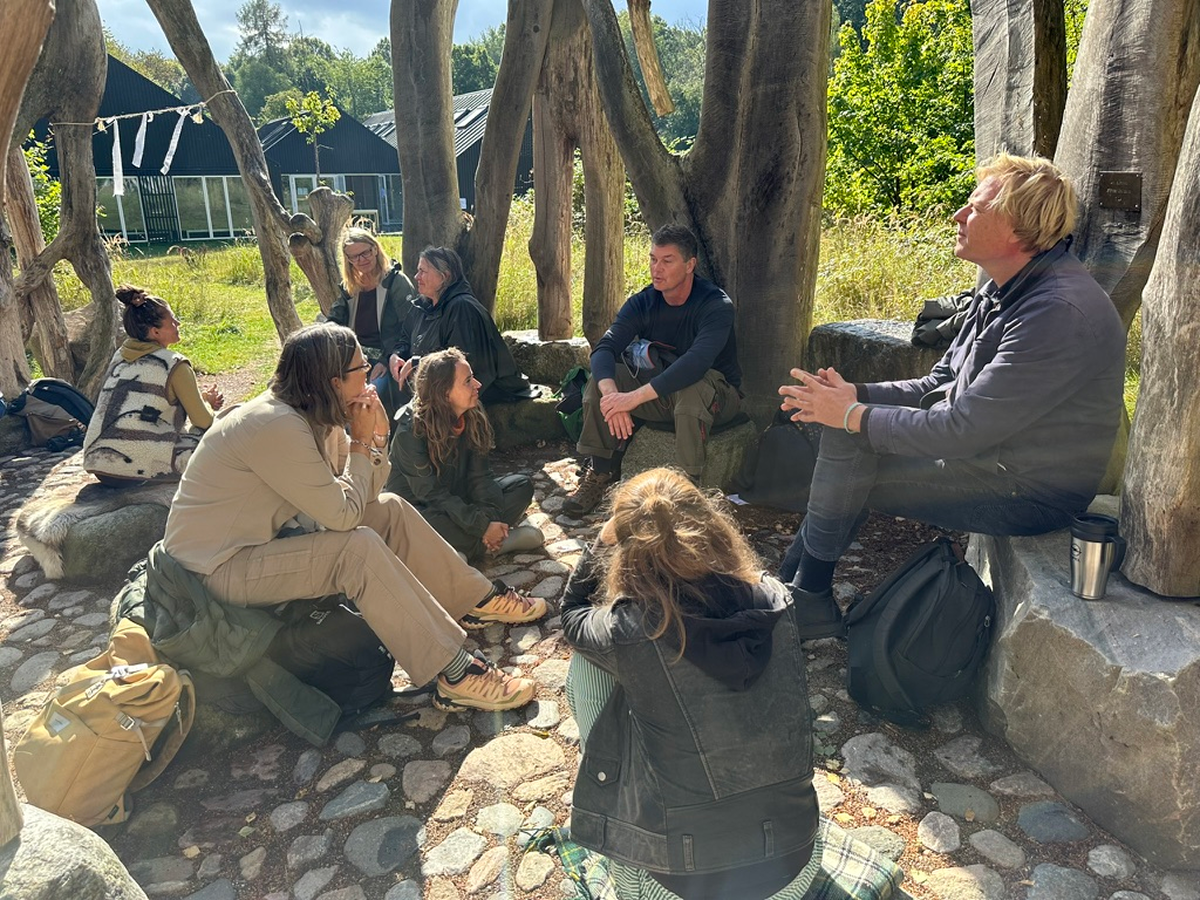

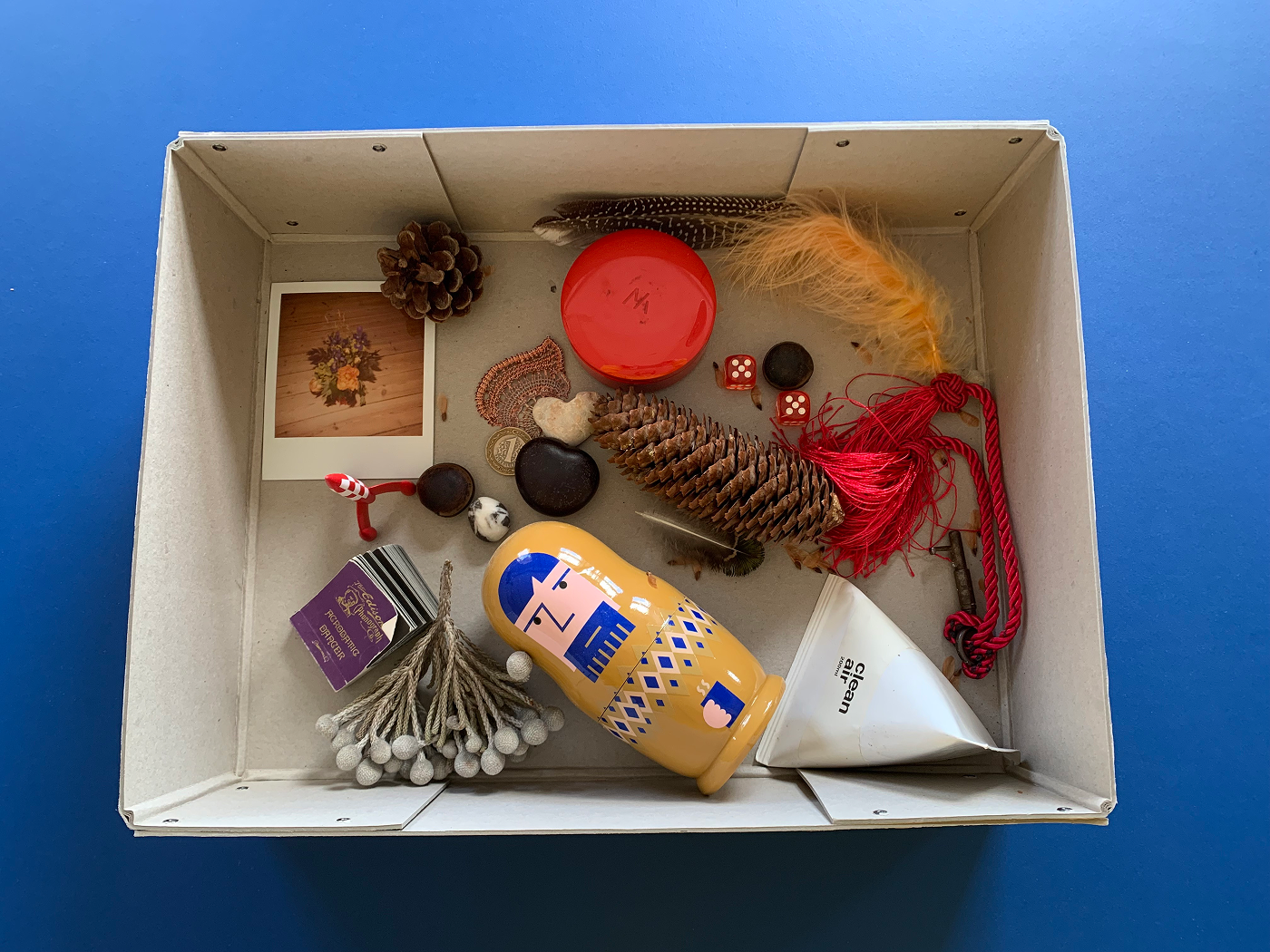

How the work often unfolds
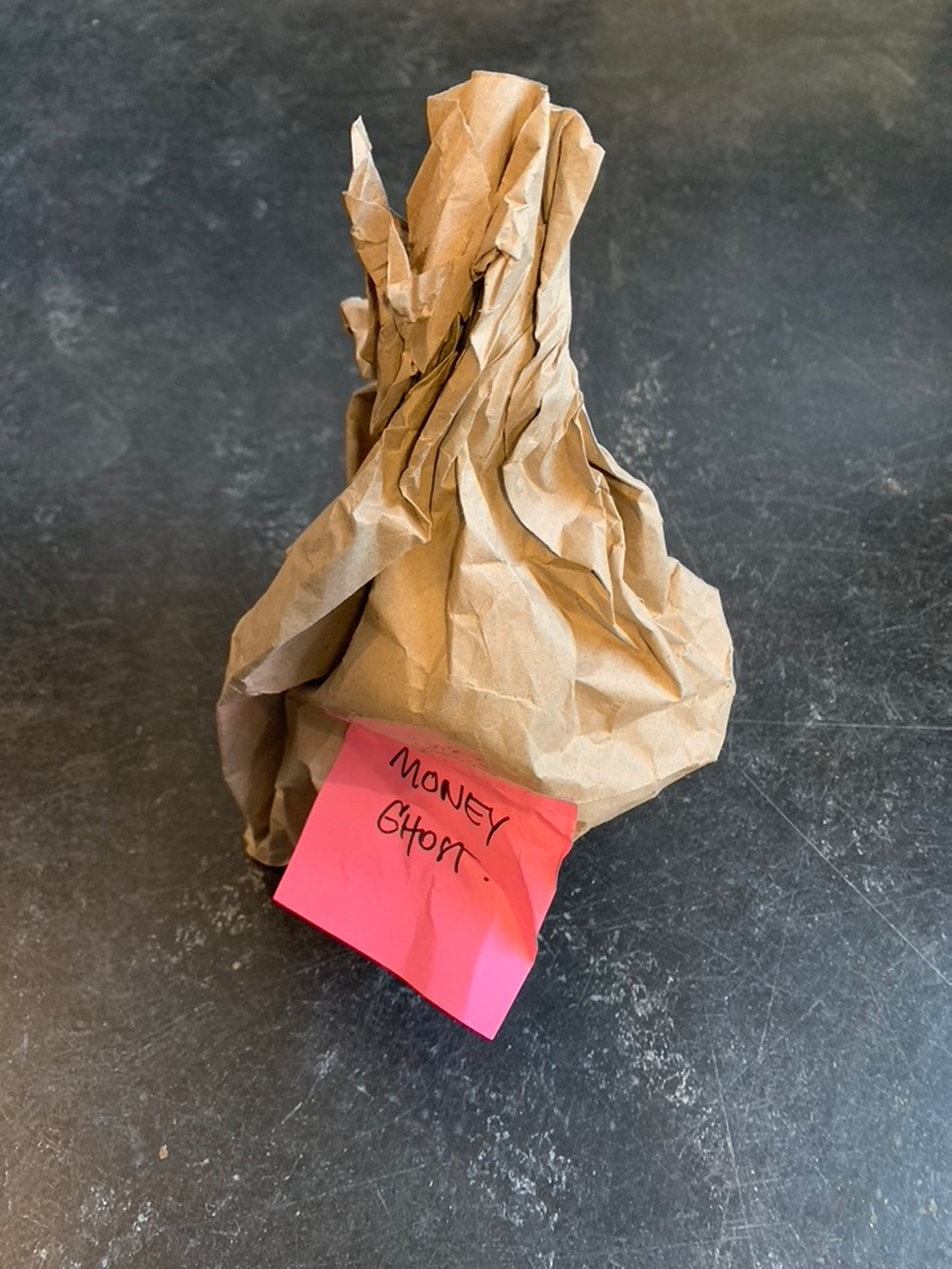

Your questions answered
-
Team coaching is a co-creative partnership, where the intention is to connect you to your team’s intrinsic creativity and wisdom.
It is a sustained process, not an event. We explore your experience of working together as a team.Training transfers knowledge. OD works at a structural and organisational level (see Organisations for more on that).
Team coaching works with the living system of your team - the relational dynamics, the patterns, the behaviours - over time, with enough depth to actually shift things.
Most one-off interventions produce insight that evaporates once you're back in the building. Coaching builds trust and a "forever system" you can continue using long after the coaching process is complete.
-
A useful starting question: is the friction mostly inside the individual, or mostly between people?
The friction is mostly inside the individual, then individual coaching is a good place to start:
Role transition or identity shift
Loss of direction, motivation, or meaning
A pattern you keep hitting across different contexts
Burnout, disillusionment, or a quiet sense of losing yourself
A decision you can't make
Something you know but can't yet act on
The friction lives between you points to team coaching:
Decisions made in the room don't hold outside it
Side conversations carry more truth than the official ones
Tension that recirculates without resolving
A voice (or several) that's gone quiet
New members destabilising what felt stable
Feedback that doesn't happen - or only happens unskillfully
The team performing cohesion rather than having it
Sometimes the work requires both levels in parallel.
A leadership team in transition will often surface individual edges that need separate attention alongside the collective work. That's not a problem - it's the work being honest about its own scope.
See next question for why I can’t coach both individual leaders and the team at the same time.
-
Because those are events. This is a process. Most interventions work at the level of behaviour or strategy - which is why the change doesn't hold once you're back in the room.
This work goes to the cultural and relational root. It asks different questions, stays with discomfort longer, and builds something that travels back into the room with you - trust.
-
I work with teams through the lens of ORSC: organization and relationship systems coaching, regenerative leadership, and depth psychology.
In practice, that means working at multiple levels simultaneously: the visible dynamics in the room, the patterns beneath the surface, and the cultural field of the team.
I don't separate the tool from philosophy - how I work is inseparable from what I believe about how teams function as living systems. -
I won't promise you safety - because no one honestly can. Safety is embodied and personal. Our bodies read situations based on their own accumulated experience, and that's not something I can guarantee.
What I can tell you is what I bring. I work actively with anti-racism and decolonisation. I'm a white, Slovenian woman working from Slavic earth-based and animist roots. I don't claim neutrality.
I claim rigour, ongoing unlearning, and a serious commitment to not causing harm.
If you identify as LGBTQ+, Black, Indigenous, a person of colour, disabled, neurodivergent, or hold any identity that has been systemically marginalised - your experience is not a side note. It's often where the most important information lives.
Working in groups means working with the full complexity of what people carry into the room. I have a clear conflict and harm protocol [link] that applies to harm between team members, and between the team and me. If something goes wrong, there is a pathway - within the team and within our working relationship.
If you have access needs or anything that would help you participate more fully, please tell me.
-
That depends. You cannot change people - or teams - against their will. It is crucial that everyone who will be involved in this has consented to the work.
This work cannot be done TO a team - it has to be chosen by them.
If participation is mandatory or driven by a box-ticking agenda, the conditions for real work aren't there.
Every member needs to be willing to show up honestly. That's the baseline that enable the coaching. I usually spend some time in the beginning of the process getting consent from the team before we begin, so I am happy to talk this through.
-
That's often exactly where this work begins. Conflict and broken trust are not signs that your team is beyond help - they're signals that something is asking to be named and worked with.
I work with conflict as an intelligent expression of a hidden need, and I'm trained to work directly with difficult dynamics, including facilitating conversations that haven't been possible to have before.
Before we begin, we establish a relational agreement and a clear conflict and harm protocol so everyone knows how difficulty will be handled.
-
Relational rupture is possible in any honest process. I take it very seriously. We establish a relational agreement at the outset that includes a clear pathway for naming and working through difficulty - including harm.
If something doesn't feel right, there is a way to raise it both in the team and within our working relationship. Read more about my Harm protocol.
-
In short, no. If I'm holding space for you individually, I can't also hold the team system neutrally. The two roles create a conflict of interest that would compromise both processes. Your team deserves a coach who isn't carrying the weight of your private work, and you deserve a space that's fully yours.
If both feel needed - and they often are - I have trusted colleagues I can refer you to. We can talk through what makes sense in the initial call.
-
I see performance as a side effect rather than a goal. A high performing team is a consequence of trust, of honest conversations, of a culture that can withstand friction without fracturing.
I understand why organisations come asking for it. We've built systems that reward yield, measure productivity, and report on KPIs. But they don't necessarily lead to sustained high performance. Because often, results come at the expense of the relationships and the wellbeing that make sustained results possible. That's the contradiction which we actively address in the process.
What I've seen consistently: when a team can disagree without it becoming a threat, when tension is information rather than danger, when truth can be said out loud and the relationship is strengthened rather than damaged by it - that's when performance follows. It's a natural expression of a system that is genuinely healthy, not a stand-alone goal.
The currency of high-performing teams is trust and that is the foundation for everything else. So that's where we start.
If you're looking for someone to optimise your team's output, this work probably isn't the right fit for you. But if you're willing to go to the layer that makes it all possible, let's talk.
-
This question is worth paying attention to. It says something about the power you ascribe to me - when it is really yours to hold.
The results belong to you, not me. Team coaching doesn't work like consulting, where someone comes in with deliverables and drives them through. I work with your agenda, not mine. What actually shifts depends on how willing the team is to be honest about what's really happening, to do the uncomfortable work, and to hold each other to it between sessions.
What I see when teams show up that way: they stop performing cohesion and start building it. Decisions made in the room hold outside it. Feedback becomes possible. New members are integrated rather than destabilising. The work that actually matters - direction, culture, vision - gets space again. The results usually follow that.
-
A useful distinction: consulting works on the system. Coaching works with the people and relationships inside it.
If you need a structural diagnosis, a new process, operating model, or clear recommendations to implement - that's organisational development. If the structure is broadly sound but the people inside it are stuck - in patterns, in distrust, in a culture that no longer fits the work - that's where coaching lives.
Often, teams arrive thinking they have a strategy problem when they actually have a culture problem. Part of what we do in the initial conversation is get honest about which it is - so you're not spending time and money in the wrong room.
Read more about my organisational offerings.
-
That depends on the scope and length of the engagement and the size of the team. But any serious team engagement would start from 100.000 DKK + VAT upwards for 6 months.
My fees reflect what it costs to do this kind of work well. If you're comparing it to a weekend workshop or a business course, this isn't that. This is a sustained, relational process with real depth. What you get are not a few hacks, but a forever system that you can keep using well after the coaching process is complete.
The best way to start is to have an initial conversation where we talk things through and we can co-shape a proposal that fits your budget. Please note that I will expect you to bring a budget - I don't shape any proposals without one.
For teams bigger than 8 people, I will bring in a co-coach to ensure the high quality of the work.